
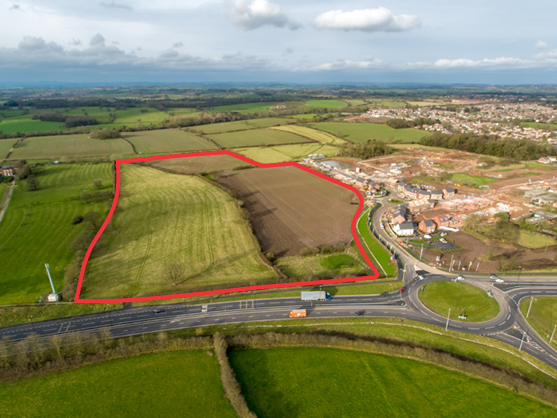
In the system of philosophical reflection, the “property” represents the relationship between people about the appropriation of items for personal use. During ages, this area of discussion has always attracted politicians, lawyers and philosophers. The philosophers reveal the meaning and content of property relations through the concepts of use and ownership[1], an example according to Aristotle “collecting and preserving ...”[2]. Most likely, based on this views of Aristotle, Roman lawyers created the classical concept of property (dominium) - the right to own and use in the way according to owner wish without any limitation, and ability to destroy owned property without punishment. This concept demonstrates an absolute right of ownership rights. [3] In the European legal system, to some extent, this principle is still been operating since, however, it is worth to mention, that it is not absolute, and since some reforms have affected those rights.[4] In England, the Roman approach about absolute ownership of land has not been in use. From the 12th century, proprietary rights were executed through feudal obligations in return to use of land.[5]
In this paper, the “property” in question is a “land”, or in other words a space over the land above and below. Most iconic and classic definition and boundaries of “land” can be found in judgement in England case of Bury V Pope in 1587: "whoever owns the soil, holds title all the way up to the heavens and down to the depths of hell".[6] Since that time the broadens of this “rights of use” have been usurped[7] by politics and planning instruments have been introduced.
During socio-political changes, in the 19th century, England was in the middle of disputes between landowners and merchants that lead to conflicts between agricultural and industrial land uses. Although England Courts never recognise an absolute privilege of land use, hence why the legislation regulating those disputes has been passed.[8]
[1] V. Golik, ‘Privatization, Property Rights, and Motivation.’ (1992) 34 (11), Problems in Economics, 55–65.
[2] Avtandil Silagadze, ‘From the History of Agrarian Thought.’ (2018) 16 (2) Annals of Agrarian Science, 213–217.
[3] Georgy Kantor, ‘Property in Land in Roman Provinces’ in Legalism (Oxford University Press, 16th ed, 2017).
[4] Elisabetta Fiocchi Malaspina, ‘Techniques of Empire by Land Law: the Case of the Italian Colonies (Nineteenth and Twentieth Centuries).’ (2018) 6 (2) Comparative Legal History, 233–251.
[5] Simmie, J, and D Hale. ‘The Distributional Effects of Ownership and Control of Land Use in Oxford.’ (1978) 15 (1) Urban Studies, 9–21.
[6] Bury v Pope [1587] Cro Eliz 118
[7] Grigsby v Melville [1974] 1 WLR 80 Court of Appeal
[8] Charles Donahue and Gregory Alexander, Property law <https://www.britannica.com/topic/property-law>